

Nursing Career in Germany

A Life-Changing Opportunity

Why Should Nurses Choose Europe as a Career Destination?

Europe provides an excellent environment for nurses seeking nursing jobs in Europe, offering stability, career growth, and an improved quality of life.

  • World-Class Education – Study at world-renowned universities known for academic excellence and strong industry connections.
  • Tuition-Free Education – Benefit from tuition-free education at public universities, making it highly affordable.
  • Strong Job Market – Access a booming job market with excellent opportunities in engineering, healthcare, IT, and business sectors.
  • Practical Learning & Experience – Gain hands-on experience through internships, research opportunities, and industry-focused programs.
  • Affordable Living – Enjoy lower living costs compared to other major European countries.

Top Reasons to Pursue a Nursing Career in Germany

High Demand for Nurses in Germany

Germany currently has 50,000+ open nursing jobs, projected to reach 500,000+ by 2030, ensuring strong job security.

Attractive Salary & Overtime

Earn a starting salary of €2,200/month, with potential earnings up to ₹5 Lakhs per month with experience and overtime.

Flexible Work Options

Opportunities available in hospitals, elderly care, and specialized clinics across Germany.

Career Growth & Specialization

Access to advanced medical training and strong career progression opportunities.

Social Benefits & PR Pathway

Germany offers a clear pathway to permanent residency (PR) after completing employment requirements.

No Blocked Account Required

Unlike students, nurses do not need a blocked account for Germany work visa processing.

Step-by-Step Process to Start Your Nursing Career in Germany

We provide complete guidance from registration to relocation, ensuring a smooth transition for candidates pursuing a nursing career in Germany

1

Registration & Counseling

Initial consultation and document verification to begin your process.

2

German Language Training

Study the German language up to B2 level for professional accreditation.

3

Job Interview Process

Attend job interviews in Germany after successfully clearing B2 level.

4

Offer Letter Acceptance

Secure employment with a German healthcare institution.

5

Certificate Accreditation

Complete credential verification through VFS for recognition in Germany.

6

Document Translation

All required certificates are translated into German.

7

Medical Examination

Complete the medical test required for Germany work visa.

8

Visa Appointment

Attend your visa appointment at the German Consulate.

9

Departure & Settlement

Final preparations for relocation and settlement in Germany.

Top Hospitals in Germany for Nursing Careers

Germany offers excellent opportunities for those pursuing a nursing career in Germany at some of the country’s leading hospitals and healthcare institutions.

Charité – Universitätsmedizin Berlin

One of Europe’s largest university hospitals, known for advanced research and world-class patient care.

Berlin
Universitätsklinikum Heidelberg

A leading medical center renowned for innovation in treatment, research, and nursing excellence.

Heidelberg
UKE Hamburg-Eppendorf

Top-tier hospital offering cutting-edge facilities and diverse career opportunities for healthcare professionals.

Hamburg
Universitätsklinikum Frankfurt

A major teaching hospital known for its high standards in clinical practice and medical education.

Frankfurt
LMU Klinikum München

Part of LMU University, offering excellent training, research opportunities, and career growth.

Munich
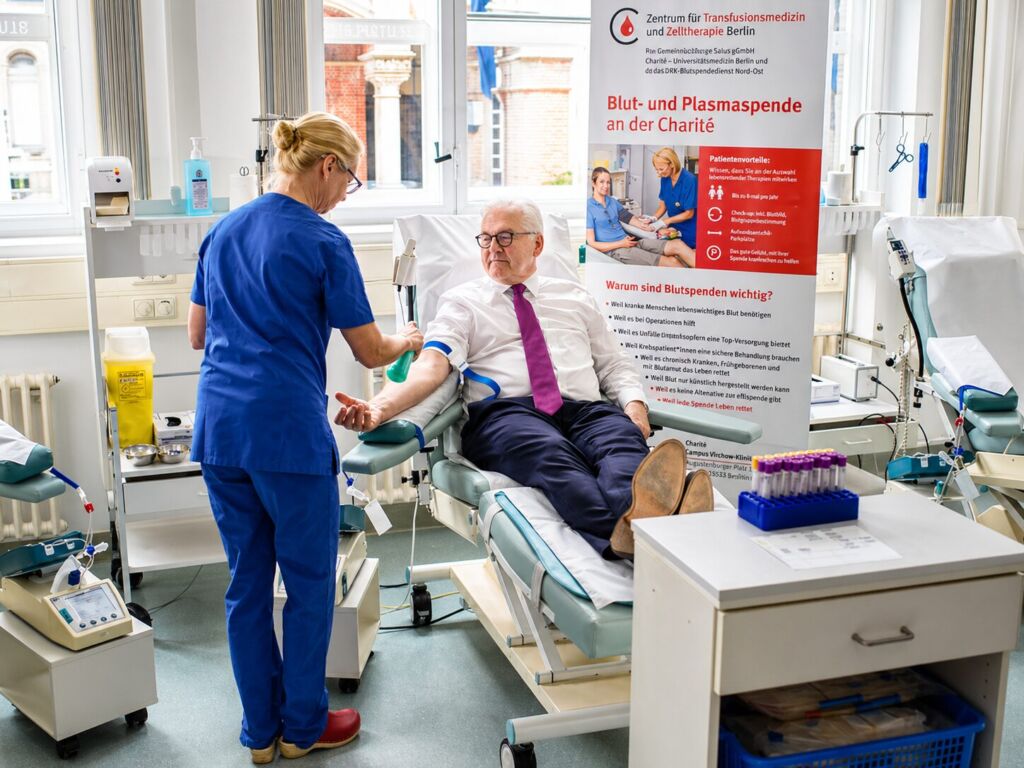
Where Do Nurses Work in Germany?

Where Do Nurses Work in Germany?
  • Public Hospitals (Öffentliche Krankenhäuser) – Government-funded hospitals providing comprehensive medical care across multiple specialties.
  • University Hospitals (Universitätskliniken) – Advanced teaching and research hospitals offering specialized treatments and professional training.
  • Private Hospitals (Privatkrankenhäuser) – Independently owned facilities delivering premium healthcare services and personalized patient care.
  • Non-Profit Hospitals (Frei gemeinnützige Krankenhäuser) – Institutions funded by charities and organizations, focusing on affordable and community-based healthcare.
  • Elderly Care Homes (Altenpflegeheime) – Facilities dedicated to long-term care and medical support for senior citizens.
  • Rehabilitation Centers (Rehabilitationskliniken) – Centers specializing in recovery from surgeries, injuries, and chronic conditions.
  • Home Healthcare Services (Ambulante Pflegedienste) – Providing professional nursing care and medical support at patients’ homes.

Where Do Nurses Work in Germany?

  • Public Hospitals (Öffentliche Krankenhäuser) – Government-funded hospitals providing comprehensive medical care across multiple specialties.
  • University Hospitals (Universitätskliniken) – Advanced teaching and research hospitals offering specialized treatments and professional training.
  • Private Hospitals (Privatkrankenhäuser) – Independently owned facilities delivering premium healthcare services and personalized patient care.
  • Non-Profit Hospitals (Frei gemeinnützige Krankenhäuser) – Institutions funded by charities and organizations, focusing on affordable and community-based healthcare.
  • Elderly Care Homes (Altenpflegeheime) – Facilities dedicated to long-term care and medical support for senior citizens.
  • Rehabilitation Centers (Rehabilitationskliniken) – Centers specializing in recovery from surgeries, injuries, and chronic conditions.
  • Home Healthcare Services (Ambulante Pflegedienste) – Providing professional nursing care and medical support at patients’ homes.
Need assistance?

FAQ's Nursing Career in Germany

The process usually takes a few months, depending on language training, document verification, and visa processing.

Yes, candidates are required to learn German, typically up to the B2 level, for professional recognition and employment.

Work experience is beneficial but not always mandatory, depending on the employer and job requirements.

Yes, your qualifications will go through a credential recognition process to meet German healthcare standards.

Nurses in Germany benefit from regulated working hours, paid leave, job security, and a professional work environment.

Yes, nurses can apply for permanent residency in Germany after meeting the required employment conditions.